 English
  العربية
 Español
 Русский
How to Choose the Right Fruit and Vegetable Washing Machine for Your Business
For fruit and vegetable processing businesses, washing is one of the most important steps before cutting, drying, packing, or further processing. A suitable fruit and vegetable washing machine can help remove soil, dust, leaves, insects, and surface impurities while improving production efficiency and reducing labor costs.
However, different fruits and vegetables have different shapes, textures, and cleaning requirements. Choosing the wrong washing equipment may lead to poor cleaning results, product damage, high water consumption, or low production efficiency.
This article will help you understand how to choose the right fruit and vegetable washing machine for your business.
1. Understand Your Raw Materials First
Before choosing a washing machine, the first thing to confirm is what products you need to wash.
Different materials require different washing methods. For example, leafy vegetables such as lettuce, spinach, and cabbage are soft and easy to damage, so they need gentle washing. Root vegetables such as potatoes, carrots, and radishes usually contain more soil and require stronger cleaning power. Fruits such as apples, oranges, tomatoes, and cucumbers need surface cleaning without causing bruises or scratches.
Common materials include:
- Leafy vegetables: lettuce, spinach, cabbage, coriander
- Root vegetables: potato, carrot, sweet potato, radish
- Fruits: apple, orange, tomato, mango, peach
- Long vegetables: cucumber, leek, celery
- Fresh-cut vegetables before cutting or packing
Once the raw materials are confirmed, the supplier can recommend a suitable washing structure and configuration.
2. Choose the Right Washing Method
There are several common types of fruit and vegetable washing machines. Each type has its own advantages.
Bubble Washing Machine
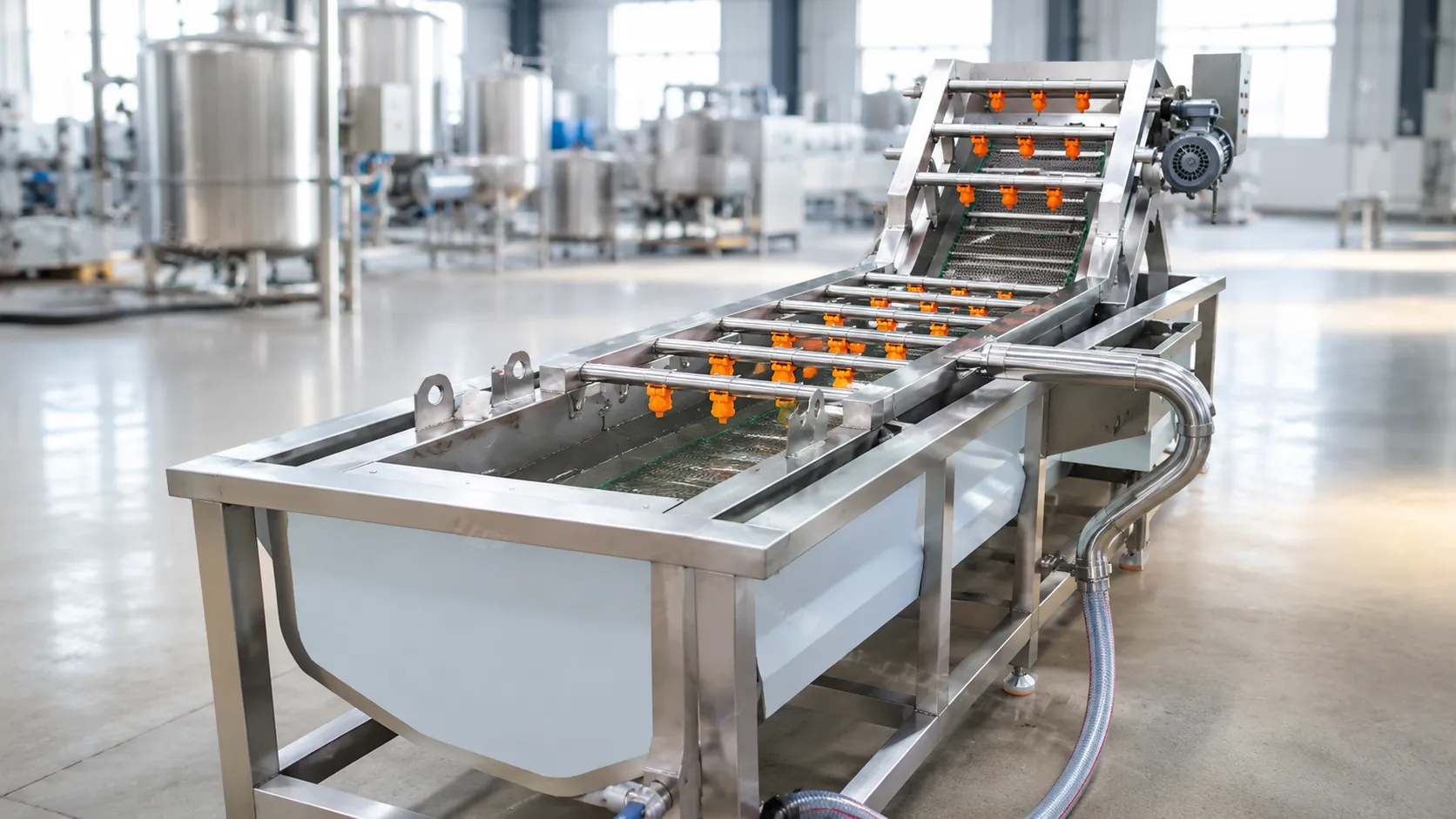
A bubble washing machine is one of the most widely used machines for vegetable and fruit cleaning. It uses air bubbles to roll the water and gently clean the surface of the materials.
This type of machine is suitable for leafy vegetables, fruits, tomatoes, cucumbers, peppers, and other products that need gentle washing.
The main advantages are:
- Gentle cleaning effect
- Suitable for many types of fruits and vegetables
- Low product damage rate
- Can be equipped with spray rinsing
- Easy to operate and clean
For most fresh produce processing factories, bubble washing machines are a practical and cost-effective choice.
Brush Washing Machine
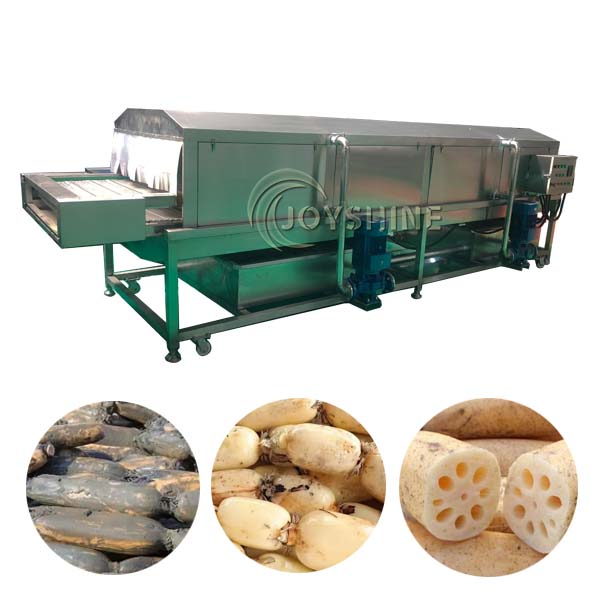
A brush washing machine is mainly used for root vegetables and fruits with firm surfaces. The rotating brushes help remove soil and dirt from the surface of the products.
It is suitable for potatoes, carrots, sweet potatoes, ginger, radishes, and similar materials.
The main advantages are:
- Strong cleaning power
- Good for products with soil
- Can be used for washing and peeling depending on brush type
- Suitable for root vegetable processing
If your raw materials are covered with mud or soil, a brush washing machine may be more suitable than a bubble washer.
Spray Washing Machine
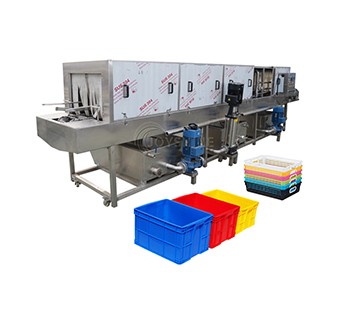
A spray washing machine uses high-pressure water spray to rinse the surface of fruits and vegetables. It is often used together with other washing equipment as a secondary cleaning step.
For example, after bubble washing, the product can pass through a spray rinsing section to remove remaining impurities and improve the final cleaning effect.
3. Confirm the Required Capacity
Capacity is another important factor when choosing a fruit and vegetable washing machine.
Small restaurants, central kitchens, and small processing workshops may only need a capacity of 300–500 kg/h. Medium-sized vegetable distribution centers may need 800–1500 kg/h. Large food factories may require a complete washing line with higher output.
When confirming capacity, you should consider:
- How many kilograms you need to process per hour
- How many working hours per day
- Whether production will increase in the future
- Whether the machine will be connected with cutting, drying, or packing equipment
Choosing a machine that is too small will limit production efficiency. Choosing a machine that is too large may increase unnecessary investment. A good supplier should recommend a suitable model based on your actual production plan.
4. Consider Product Protection
For fresh produce, appearance is very important. Damaged vegetables or bruised fruits may reduce selling value.
When choosing washing equipment, you should pay attention to whether the machine can clean the product gently. For leafy vegetables, bubble washing is usually preferred because the cleaning action is soft. For fruits, the conveyor speed, water flow, and spray pressure should be adjustable to avoid damage.
A well-designed washing machine should balance cleaning effect and product protection.
5. Check the Machine Material
Food processing equipment should be made of food-grade stainless steel. Stainless steel is durable, easy to clean, and suitable for wet working environments.
For fruit and vegetable washing machines, stainless steel construction helps improve hygiene and extend service life.
When purchasing equipment, you should confirm:
- Whether the main body is stainless steel
- Whether the conveyor belt is food-grade material
- Whether the water tank is easy to clean
- Whether the structure is suitable for daily maintenance
A good machine should not only clean products well, but also be easy for workers to operate and maintain.
6. Think About Water Circulation and Saving
Fruit and vegetable washing may require a large amount of water, especially for high-capacity production. Therefore, a water circulation system is very useful.
Many commercial washing machines are equipped with a circulating water pump and filter system. The water can be reused during washing, while impurities are collected and removed.
This design helps reduce water consumption and operating costs.
For customers who need better cleaning quality, fresh-water spray rinsing can also be added at the discharge section. This allows the product to be washed in the tank first and then rinsed with clean water before output.
7. Plan the Complete Processing Line
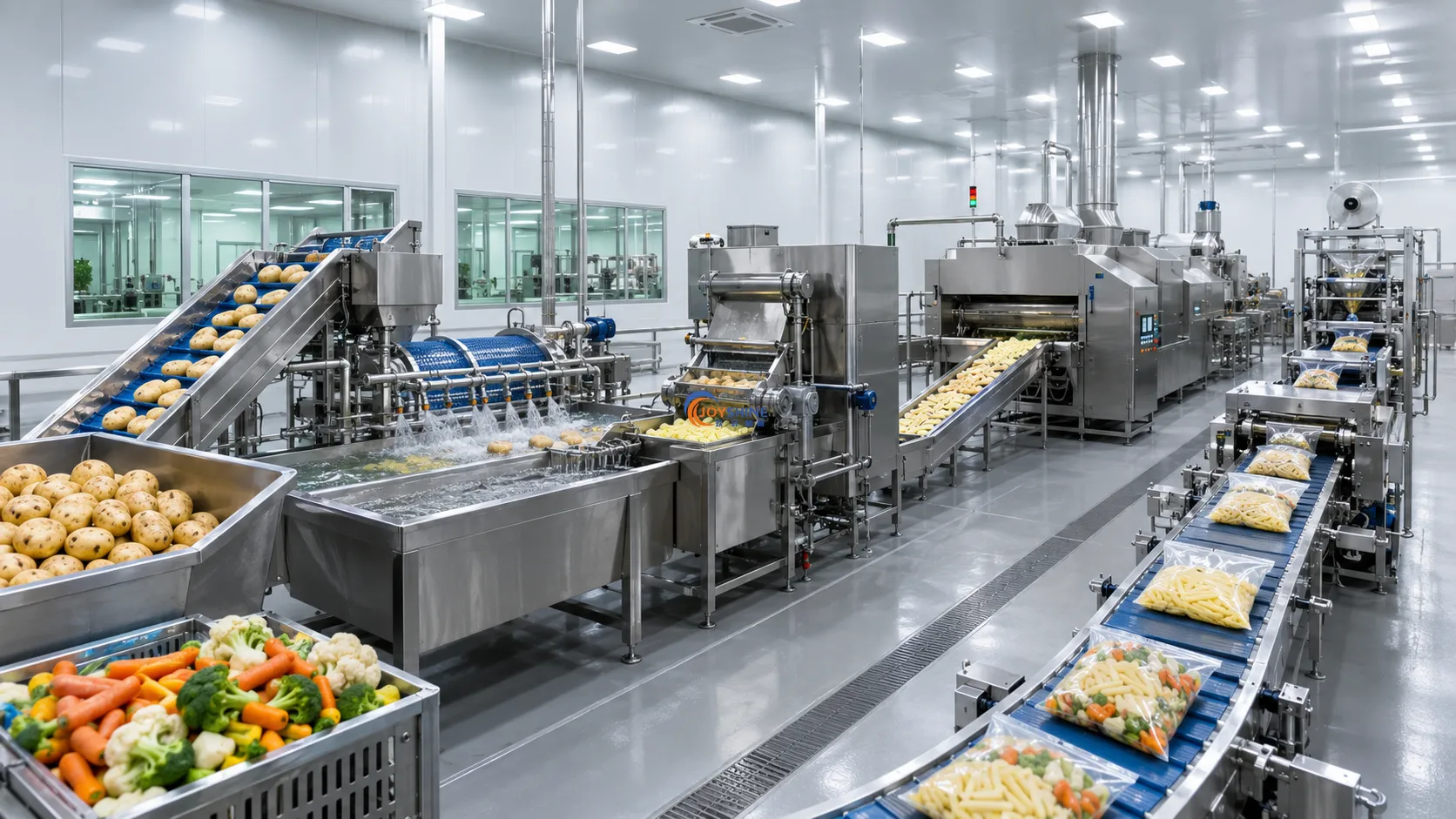
In many factories, the washing machine is not used alone. It is often connected with other machines to form a complete processing line.
A fruit and vegetable processing line may include:
- Feeding machine
- Bubble washing machine
- Spray rinsing machine
- Air drying machine
- Sorting table
- Cutting machine
- Packing machine
If you plan to expand your production in the future, it is better to discuss the full processing flow with the supplier in advance. This can help ensure that the washing machine size, outlet height, conveyor direction, and capacity match the next processing steps.
8. Choose a Reliable Supplier
A reliable supplier can help you choose the right equipment according to your materials, capacity, workshop layout, and budget.
Before placing an order, you can ask the supplier for:
- Machine photos and videos
- Working principle explanation
- Technical specifications
- Factory testing video
- Packing and shipping details
- After-sales support
For customized projects, you can also provide your raw material photos, required capacity, and workshop size. The supplier can then recommend a suitable solution.
Conclusion
Choosing the right fruit and vegetable washing machine depends on your raw materials, required capacity, washing method, and production process. For leafy vegetables and general fruits, a bubble washing machine is usually a good choice. For root vegetables with soil, a brush washing machine may be more suitable. For higher cleaning requirements, spray rinsing and water circulation systems can improve the final result.
Joyshine provides different types of fruit and vegetable washing equipment for food processing factories, vegetable distribution centers, central kitchens, and agricultural product suppliers. We can recommend suitable machines or complete processing lines according to your production needs.
If you are planning to improve your fruit and vegetable washing process, contact Joyshine for a customized washing solution.